Unattended Death Cleanup
When a death remains undiscovered for days, cleanup addresses decomposition and controls odors.
See unattended death cleanupRemove decomposition odor at the source in a home, apartment or rental in Birchwood Hills Estates. Cleanup can include contaminated material removal, disinfection, air filtration and careful sorting of belongings.
Death odor removal is a cleanup process that targets decomposition residue and impacted materials before treating odor left in the air. It removes rather than masks the smell, addressing the affected air as well as its source.
Odor is produced during decomposition, and it may travel from the room in which the person was discovered. It can settle into upholstery, carpet, HVAC components and spaces inside walls. Deodorizing by itself is not a solution. Cleanup has to begin with locating and taking out the source.
An official property release must come before cleanup. It may be issued by a medical examiner, another authority or law enforcement. Cleanup crews examine the affected space and nearby areas. They follow contamination below surfaces and sort clean possessions from impacted ones. Materials that are porous may have to be removed if they absorbed fluids, while hard, non-porous surfaces are often suitable for cleaning and disinfection.
After source removal, odor remediation may include hydroxyl treatment, controlled ozone treatment or HEPA air filtration. The building type, impacted materials and ability to leave the space empty during treatment guide the method used. Professional cleaning services should explain why a method fits the property.
The pre-cleanup discussion tells you what areas need work and which materials might remain or be taken out.
You can call during the day or night, and crews use unmarked vehicles to respect your privacy during a difficult time.
You can move forward by organizing photographs, disposal documentation and cleanup scope for a property manager, landlord or insurance company.
Crews do not discard keepsakes, paperwork or unaffected belongings without your awareness, leaving those decisions to you.
Cleanup is necessary if decomposition fluids entered the property or an odor continues after the deceased is taken away. Situations that commonly require it include:
Tracing is needed when smell travels to a common air system, neighboring unit or hall, while other residents remain protected.
Affected contents must be separated while belongings that can stay are sorted with care.
The affected unit needs cleaning for a property manager or landlord before repairs, painting or a new tenant moves in.
A late discovery meant decomposition impacted a living area, bathroom, bedroom or the materials underneath.
Wait for an official release and restrict entry in the meantime to help protect both you and the property. Cleanup technicians need the following information before beginning death odor remediation:
Call (888) 440-9227The guide from BioCleaners Directory lists death odor removal at $500 to $1,500 in a mild case, $1,500 to $3,500 with moderate odor, and $3,500 to $6,000 with severe odor. An extreme case involving structural work is listed at $6,000 to $15,000 in the guide. Your total is affected by the source, the materials involved and the distance contamination spread.
These ranges come from published national cost guides, not from a site visit. The price for your property is set after the on-site assessment, and you hear it before work starts.
Ask about cost: (888) 440-9227Death odor cleanup may be covered by homeowners, renters or landlord insurance when the underlying event qualifies under the policy. Because every policy has its own coverage, deductible and exclusions, property owners should notify the insurer before starting repairs if possible.
Check with the adjuster about needed repair details, photos, disposal records and scope of cleanup. Put the receipts and claim number in one place.
Notify your insurance company as soon as possible. Your policy may address biohazard remediation, odor control, damaged construction material removal and repair work, so ask about each.
For a rental unit, the property owner or manager commonly arranges the building cleanup. Responsibility for personal belongings may be treated separately.
Homeowners or renters insurance, the estate or the property owner usually pays for this kind of cleanup. The North Carolina crime victim compensation program helps only when a crime caused the loss.
Source removal is the first priority in death odor remediation. Contaminated materials must be cleaned or taken out before equipment treats the air, since structural contamination cannot be corrected by air treatment. Throughout the work, the affected area remains separated from clean rooms.
To chart where residue and smell could have moved, technicians check affected and nearby rooms, flooring edges, contents and return vents.
The affected workspace is kept apart from unaffected rooms. Protective gear and exposure-suited equipment are used while crew members manage air movement.
Visible residue is removed first. Crews remove carpet, pad, upholstered furniture, mattresses, subfloor sections or drywall if cleaning cannot make them fully clean.
Hard surfaces left in place receive cleaning followed by an EPA-registered disinfectant used for the entire contact time on the label.
Air within the affected area passes through HEPA scrubbers. After taking out the source, crews may use hydroxyl treatment or another fitting option for remaining odor.
Crews look for odor and residue in the affected area, including nearby registers and ventilation parts they can access, so moving air does not spread the problem.
Applicable local and state regulations guide how affected materials are packaged, marked and taken away for disposal.
Crews check the work area once more following treatment. For every step, documentation lists what crews cleaned and removed, plus any remaining repair work.
Call any hour. A death odor removal specialist answers, explains the steps and agrees a start time with you.
The smell itself is a warning that the source may still be present. Decomposition fluids, hazardous materials and affected contents can create serious health risks through direct contact or transfer to clean spaces.
For relatives, both entering the room and reviewing affected possessions may be distressing. You may stay away from the work zone and ask someone you trust to make choices for you.
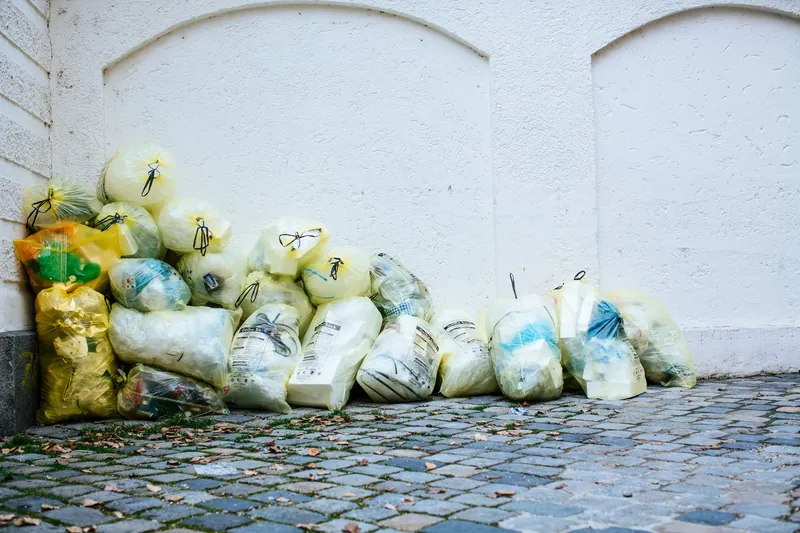
Materials affected by bodily fluids must receive controlled packaging and hazardous waste disposal according to applicable medical waste rules. They do not belong in ordinary household trash.
Following seams, fluids can soak beyond carpet and padding into drywall, subfloor or wood. A surface may appear clean while concealing material underneath.
Can you clean it yourself? Odor intensity cannot tell you if a space is safe. A faint odor can still come from contamination beneath a floor or inside a porous item. When a death involves fluids or you cannot find the source, close off the space and seek a professional assessment.
During cleanup after a death, decisions are made one material at a time. Non-porous surfaces that are clean may often remain once they are correctly cleaned and disinfected. Absorbent materials generally must come out if decomposition fluids entered them, since residue can stay below what is visible.
Under 29 CFR 1910.1030, OSHA's Bloodborne Pathogens Standard calls for exposure controls, protective equipment and worker training where blood might be present.
An EPA-registered disinfectant should suit its intended use and stay visibly wet for all of the contact time shown on its product label.
North Carolina treats soaked materials from a biohazard scene as medical waste. Rules from the state Department of Environmental Quality's Solid Waste Section control how it is packaged, stored, transported and treated, so it cannot go in household trash.
North Carolina uses a statewide medical examiner system run by the Office of the Chief Medical Examiner, with county medical examiners appointed in each county. Cleanup starts after police or the medical examiner release the scene.
A contained death odor cleanup may take one to three days on site. Work can take longer when odor reached several rooms, fluids soaked into the structure or removed flooring and walls need separate repairs.
The full death odor removal guide covers what is cleaned or removed, odor and air quality work, and the rules that apply in your state.
Read the full death odor removal guideContainment, entry and cleanup plans can be influenced by local housing, population and access details.
Knowing that Rex Hospital is about 3.0 miles away helps households plan where to seek care before arranging scene cleanup.
The location sits near Woodbury Estates, Currituck Hills, and Lakestone Estates, making local landmarks helpful when a property entrance is hard to find.
The Wake County location helps orient travel, while the neighborhood and full address identify where private cleanup work actually occurs.
During your call, ask whether cleanup is available in surrounding communities and ZIP codes.
When a death remains undiscovered for days, cleanup addresses decomposition and controls odors.
See unattended death cleanup
Cleaning a home after someone dies, including fluids, odor and affected belongings.
See death cleanup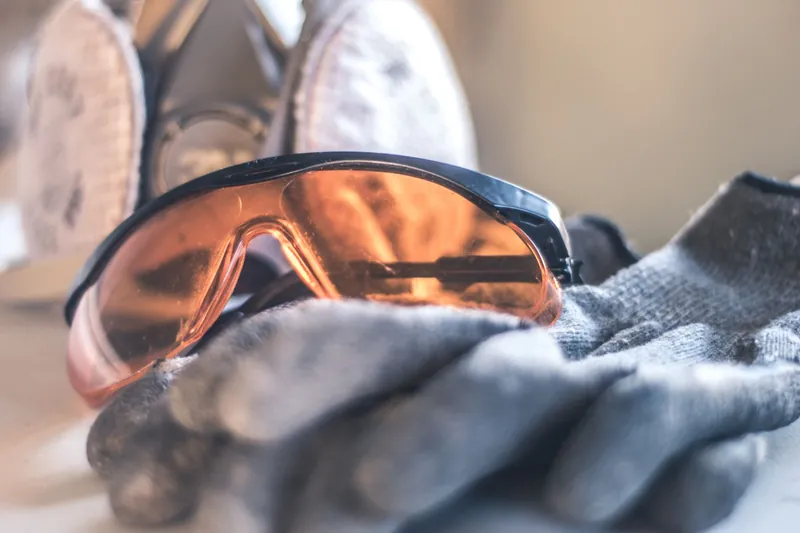
Removal of decomposition fluids from floors, subfloors and furniture.
See decomposition cleanup
Cleanup after a death that was found quickly, with care for the family home.
See attended death cleanup
Belongings are sorted and safely removed as part of an estate cleanout after a death.
See estate cleanout after a death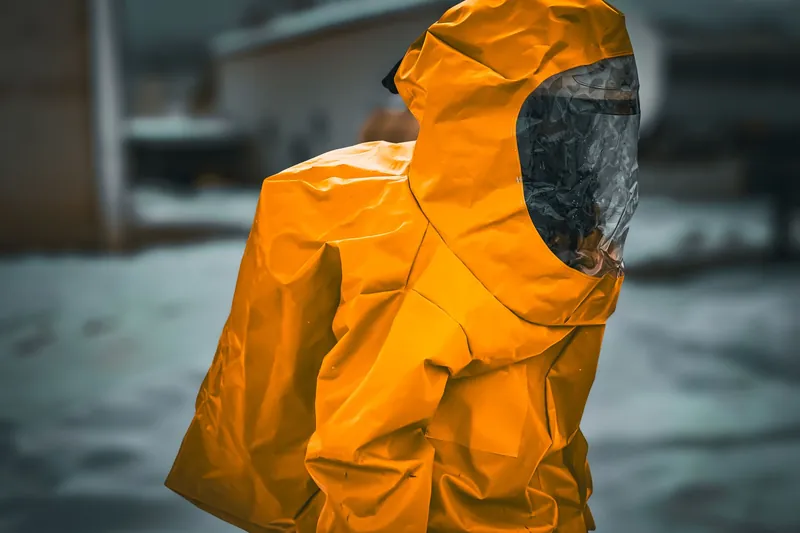
Removal and disinfection of blood, body fluids and other infectious material from any property.
See biohazard cleanup
Trauma scene cleanup is needed after violent events, accidents and injuries.
See trauma scene cleanup
Rental property biohazard cleanup covers hotels and Airbnb units as well as rentals.
See hotel, airbnb and rental biohazard cleanupFirst, you need to remove the odor's source. Removal could include carpet and pad, subfloor, drywall or impacted furnishings. Crews clean and disinfect hard surfaces left behind, then treat residual odor with air scrubbing and a suitable method. Fragrance alone cannot remove decomposition odor.
Confirm the property's release before doing anything else. Contact your insurance company and keep the affected space shut, while separating biohazard cleanup from ordinary estate work. Contaminated belongings need assessment before they are moved. You may next sort clean personal items and loved ones' keepsakes with an estate representative or family member.
According to the BioCleaners Directory guide, mild odor costs $500 to $1,500, moderate odor costs $1,500 to $3,500, severe odor costs $3,500 to $6,000, and extreme odor involving structural work costs $6,000 to $15,000. Material removal and the affected area size determine the job's range.
A job limited to one area can require one to three days. Structural removal, contamination in difficult locations and several affected rooms can increase the duration. Because repairs follow remediation, replacing drywall or flooring can require extra time after odor treatment and cleaning finish.
Ozone may reduce remaining odor after contaminated material has been removed, but it does not clean decomposition fluids or make a contaminated surface safe. Ozone may irritate lung tissue. Treatment areas must be empty, controlled and ventilated before people or pets return.
The affected materials, lease and policy decide who is responsible. The landlord or property manager usually arranges for the unit and building materials to be cleaned. The family or estate might need to address personal property. Both sides should contact their insurance companies before items are removed.
Crews carry out respectful, discreet death odor removal, arrive in unmarked vehicles and take calls 24 hours a day.